Best Recovery Tips After Gum Disease Treatment in Ventura
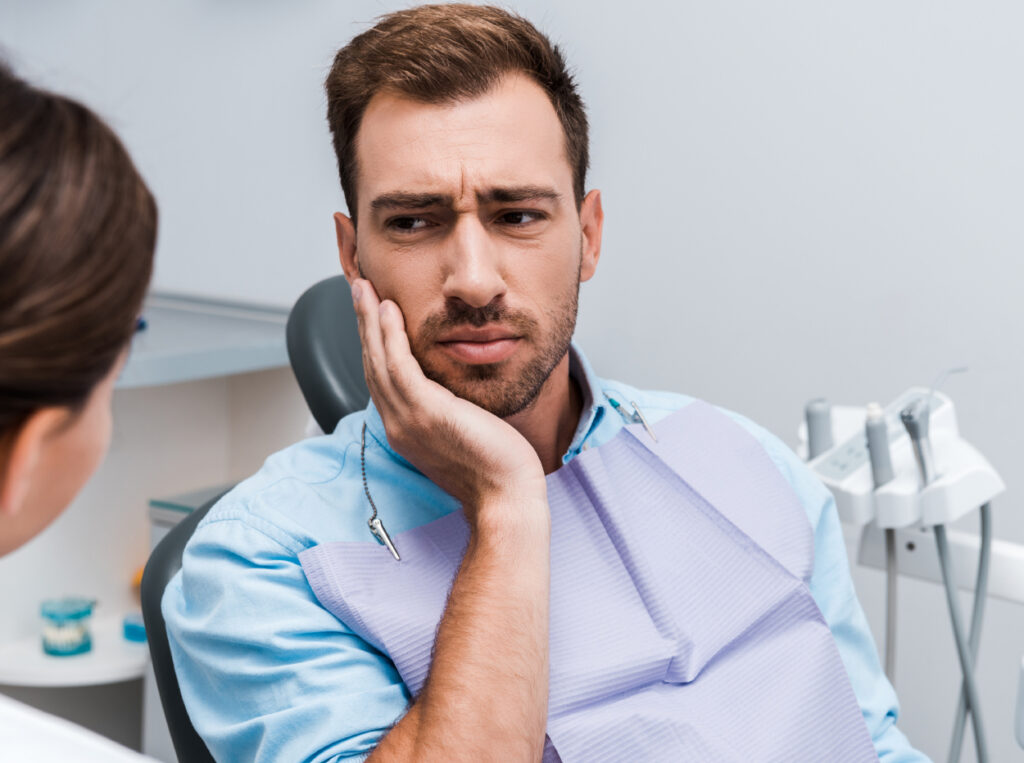
Recovering well after periodontal care often matters just as much as the treatment itself. Whether you had a deep cleaning, scaling and root planing, localized antibiotic therapy, gum surgery, or a more advanced procedure to control infection, the days and weeks afterward shape how comfortably and successfully your mouth heals.
Patients often expect the appointment to be the hard part. In practice, recovery is where small daily choices make the biggest difference. What you eat that evening, how gently you brush near tender areas, whether you skip a follow-up visit, even whether you clench your jaw when stressed, all of it can affect swelling, bleeding, sensitivity, and long-term gum stability.
For anyone navigating Gum Disease Treatment in Ventura, recovery also comes with a local reality. Dry coastal air, active outdoor routines, busy work schedules, and a tendency to grab quick meals on the go can either support healing or work against it. The good news is that most recovery problems are preventable when patients know what to expect and respond early.
Healing starts before the numbness wears off
Right after treatment, your gums are usually more vulnerable than they look. Even if the procedure felt straightforward, the tissue may be inflamed, freshly cleaned below the gumline, or sutured in areas that need protection. That is why the first several hours matter.
If your mouth is still numb, be careful with hot drinks and chewing. People commonly bite the inside of the cheek or tongue without realizing it. I have also seen patients go from feeling fine in the chair to surprising discomfort later simply because they ate something crunchy too soon. A soft meal, moderate temperature, and a calm evening at home usually set the tone for a smoother next day.
Some bleeding or oozing can be normal after certain forms of Gum Disease Treatment, especially if the gums were already inflamed before care began. Patients are often Gum Disease Treatment in Ventura alarmed by pink saliva in the sink, but that alone is not necessarily a problem. Bright red bleeding that does not ease with pressure is a different issue and deserves a call to your dental office.
Swelling tends to peak later than people expect. With non-surgical periodontal therapy, many patients feel the most tenderness later that day or the next morning. Surgical treatment can create a slightly longer arc, with swelling and soreness building for 24 to 72 hours before settling down.
Pain control works best when it is steady, not reactive
One common recovery mistake is waiting until discomfort becomes intense before taking the recommended medication. For most patients, it works better to stay ahead of inflammation, especially during the first day or two. If your periodontist or dentist gave you specific guidance, that plan should come first. Recovery varies widely depending on whether you had a deep cleaning or more involved gum surgery.
Over-the-counter pain relievers are often enough after scaling and root planing, while more invasive procedures may come with a prescription medication or an antimicrobial rinse. If you were told to use both a pain reliever and a rinse, timing matters. Swishing too aggressively when the area is very fresh can be irritating, while skipping the rinse can allow plaque to rebuild at the worst possible moment.
People with a history of stomach irritation, kidney problems, bleeding disorders, or blood thinners should always follow individualized medical advice. This is one of those areas where generic internet tips are not good enough. What works for one patient can be the wrong choice for another.
Food can either soothe healing tissue or keep it irritated
After gum treatment, many patients ask for a master list of foods to eat and foods to avoid. Real life is not that tidy, but the general rule is simple: choose foods that require very little force, do not fragment into sharp bits, and are not chemically irritating.
Yogurt, eggs, oatmeal, smoothies eaten with a spoon, soft fish, mashed vegetables, rice, pasta, cottage cheese, soups that are warm rather than hot, and tender chicken usually work well. Very acidic foods, spicy sauces, seeded snacks, tortilla chips, crusty bread, and popcorn are frequent troublemakers. Tiny particles can slip into healing pockets or surgical sites and leave the area sore for days.
Temperature is underrated. Extremely hot coffee or soup can increase sensitivity and provoke bleeding in some patients. I usually tell people to think lukewarm to mildly warm for the first day, then advance as tolerated. Cold foods can feel soothing for some and uncomfortable for others, especially if the roots are exposed after deep cleaning.
Hydration helps more than most people realize. A dry mouth tends to feel more tender, traps debris more easily, and allows bacteria to flourish. Ventura patients who spend time outside, exercise regularly, or simply forget to drink water during the workday often notice this the hard way. Even mild dehydration can make the mouth feel sticky and irritated.
Oral hygiene needs to continue, but with better judgment
A surprising number of patients think recovery means leaving the mouth alone for a few days. That instinct is understandable, but it often backfires. Plaque begins reforming quickly, and healing gums do better in a clean environment. The key is not to stop cleaning, but to clean correctly.
If your dentist or periodontist advised you to avoid brushing one surgical area temporarily, follow that instruction exactly. Elsewhere in the mouth, keep brushing gently with a soft toothbrush. With non-surgical Gum Disease Treatment in Ventura, patients are often told to brush carefully the same day or the next day, depending on tenderness. With surgery, instructions may be more specific and may include a prescription rinse.
Flossing can be the most confusing piece. In some cases, it should continue carefully. In others, it should be paused around treated areas until the tissue seals a Ventura gum therapy bit more. This is why personalized post-op instructions matter so much. The phrase "I did what I usually do" sounds harmless, but after gum therapy, routine habits sometimes need a short adjustment.
Electric toothbrushes can be excellent long term, but immediately after treatment, the vibration may feel too intense in a sensitive area. Some patients temporarily switch to a soft manual brush for a few days and then return to their normal device.
The first week is where discipline pays off
The early recovery window is not glamorous. There can be tenderness during brushing, slight gum recession becoming newly noticeable, cold sensitivity, odd taste from medicated dressings, and mild fatigue from a longer appointment. None of that necessarily means the treatment failed. It often means the area is healing and your mouth is adjusting.
Here are the habits that usually make the biggest difference during the first week:
- Follow the written instructions from your dental office exactly, even if you feel fine.
- Choose soft, low-irritation foods and chew away from the treated side when possible.
- Keep the mouth clean with the recommended brushing and rinsing routine.
- Avoid smoking, vaping, and heavy alcohol use, all of which can slow healing.
- Attend the follow-up visit, even if symptoms seem minor or already improved.
That last point deserves emphasis. Follow-up visits are not just a formality. Your provider may need to check pocket healing, remove sutures, review home care, or catch early signs of reinfection. I have seen patients assume all was well because pain faded, only to learn later that plaque had built up again in the same difficult area.
Smoking and vaping create very real setbacks
If you smoke or vape, recovery after gum treatment is usually slower and less predictable. Nicotine constricts blood vessels, which reduces the blood flow healing tissues depend on. Smoke and vapor can also irritate the tissue surface, alter the oral microbiome, and increase the likelihood of recurrent inflammation.
This is one of the clearest examples of a recovery trade-off. Some patients say smoking reduces their stress after a dental procedure. Unfortunately, the same habit that feels calming in the moment can compromise the exact healing response the gums need. Even a short nicotine break during the critical healing period can help. A longer quit attempt is better still.
Cannabis smoke can create similar irritation. It is sometimes overlooked because people do not always mention it when discussing medications or habits. If you use it, be honest with your provider. They are not there to judge, they are trying to protect your outcome.
Sensitivity does not always mean something is wrong
After deep cleaning and other periodontal procedures, tooth sensitivity is common. Once tartar and inflamed tissue are removed, root surfaces may be more exposed than before. Cold air, chilled water, and sweet foods can trigger a short, sharp sensation. Many patients worry this means the treatment damaged the teeth. More often, it means the hidden inflammation is gone and the area is now more physically exposed.
Sensitivity usually improves over several days to a few weeks, though the timeline varies. Desensitizing toothpaste can help, but it is not an overnight fix. It often takes consistent use. Fluoride treatments or office-applied desensitizers may also be useful if symptoms persist.
There is a judgment call here. Mild sensitivity that gradually improves is common. Severe throbbing pain, pain when biting, or sensitivity that worsens steadily deserves evaluation. Recovery should trend in the right direction, even if there are uneven days.
Know the difference between normal healing and a warning sign
Patients recover more confidently when they know which symptoms are expected and which are not. A little blood when brushing healing gums can be normal. Foul taste, increasing swelling after several days, fever, pus, persistent bad breath despite careful hygiene, or significant pain that does not respond to the advised medication can point to infection or another complication.
Contact your dental office promptly if you notice any of the following:
- bleeding that remains heavy instead of tapering
- swelling that worsens after the third day
- fever or general illness along with oral pain
- a bad taste or discharge coming from one specific area
- stitches that come loose early when the area still feels open or unstable
A quick phone call can prevent a small issue from turning into a major setback. In periodontal care, waiting rarely improves a true complication.
Ventura lifestyle factors that influence recovery
Recovery advice should fit the place where you live. In Ventura, many people spend a lot of time outdoors, whether they surf, walk the beach path, garden, cycle, or work outside. Physical activity is healthy, but strenuous exertion too soon after treatment can increase bleeding and throbbing, particularly after surgery. A light walk may be fine. Intense exercise the same day is usually not.
Salt air and dry wind can also leave the mouth feeling parched, especially if you are breathing through the mouth while active. That dryness can magnify tenderness and plaque retention. If you are recovering from Gum Disease Treatment in Ventura, carry water, avoid long stretches without drinking, and consider whether your lips and mouth are drying out more than usual.
Busy coastal schedules create another issue: missed meals followed by poor food choices. If the only convenient dinner is chips, salsa, and a cold drink after treatment, recovery will probably be rougher than it needs to be. Planning two or three easy meals ahead of time sounds simple, but it spares a lot of discomfort.
Sleep position, stress, and clenching matter more than people think
People tend to focus on obvious things like food and brushing, but there are quieter influences too. If you sleep flat after a more involved procedure, blood can pool in the head and make morning throbbing worse. Elevating the head slightly with an extra pillow often reduces that effect.
Stress is another hidden factor. Patients who clench their jaws, grind at night, or press the tongue against sore teeth often feel more tenderness after treatment. The gums may be healing normally, but the surrounding muscles and ligaments stay aggravated. If you wake with jaw fatigue or headaches, mention it at your follow-up. Sometimes a night guard or short-term strategy to reduce clenching is part of a better recovery.
Poor sleep also tends to increase pain perception. Two patients can have the same procedure and very different experiences simply because one slept well and the other did not.
Long-term success depends on what happens after you feel better
The biggest trap in periodontal recovery is confusing symptom relief with cure. Bleeding may stop and soreness may fade, but gum disease can return quietly if home care slips or maintenance visits are delayed. Periodontal disease often advances with very little dramatic pain, which is why so many people underestimate it until teeth feel loose or gums recede noticeably.
Once the initial healing phase passes, maintenance becomes the real treatment. That may mean periodontal maintenance cleanings every three to four months rather than the standard six-month interval. For some patients, that frequency later changes. For others, especially those with diabetes, smoking history, dry mouth, or prior bone loss, the shorter interval remains the safer choice.
This is where professional judgment matters. Not every patient with a history of gum disease needs the same plan, and not every deep cleaning means severe disease. Some cases are localized and respond beautifully to good home care. Others are chronic and require ongoing periodontal monitoring.
If you had surgery, patience is part of the process
Surgical gum procedures often come with a recovery timeline that feels slow compared with a standard dental cleaning. Tissue grafting, flap surgery, or regenerative procedures may look uneven before they look better. Swelling can shift, bruising may appear in the cheek or jawline, and the area can look bulkier than expected for a while.
That visual phase can unsettle patients, especially when they compare themselves with someone else online. Healing is individual. Tissue thickness, blood supply, the extent of the original infection, oral hygiene, and general health all influence the pace. If your provider says the site is on track, trust the process unless a new warning sign appears.
It is also worth remembering that the goal is not always cosmetic perfection in the short term. Sometimes the primary win is infection control, reduced pocket depth, and a stronger foundation around the teeth. Appearance often improves as the tissue matures.
The most practical mindset for recovery
The patients who recover best usually take a calm, steady approach. They do not panic over every twinge, but they also do not improvise when they have clear instructions. They respect the fact that gum tissue heals on a biological schedule, not a social one. And they understand that successful Gum Disease Treatment is not only about what happened in the chair, but what happens at the sink, at the dinner table, during sleep, and at the follow-up visit.
If you recently had Gum Disease Treatment in Ventura, give your gums the quiet conditions they need to repair. Eat gently, clean carefully, stay hydrated, avoid habits that impair circulation, and keep your check-ins with your dental team. Most recoveries go well when patients stay consistent. The mouth usually tells you when it is healing, less bleeding, less tenderness, easier brushing, and a cleaner feeling along the gumline. That progress may be gradual, but it is the right direction, and it is worth protecting.
Avra Dental
Address: 1708 S Victoria Ave B, Ventura, CA 93003
Phone number: (805) 941-1001
FAQ About Gum Disease Treatment in Ventura
How to improve gum health quickly?
To improve gum health quickly, eliminate plaque buildup by brushing for two full minutes twice a day at a 45-degree angle to the gumline. Floss daily to clean under the gumline, and rinse with an antimicrobial, alcohol-free mouthwash. For immediate relief of soreness, use a warm saltwater rinse.
What is the fastest way to cure gum disease?
To quickly cure early-stage gum disease (gingivitis), eliminate the plaque buildup causing the inflammation. Brush gently but thoroughly for two minutes twice daily, floss daily, and use an antibacterial mouthwash or a warm saltwater rinse. However, if tartar has hardened, professional treatment is necessary.
How do I treat my gum disease at home?
You can treat early gum disease at home by practicing strict daily oral hygiene, rinsing with salt water or antibacterial mouthwash, and quitting smoking. True gum disease (especially advanced forms like periodontitis) cannot be fully cured at home once tartar forms, and you must see a dentist for professional cleanings.