Gum Disease Treatment for Red, Tender, and Inflamed Gums
Red, tender, inflamed gums are easy to dismiss at first. Many people assume they brushed too hard, switched toothpaste, or irritated the tissue with a sharp chip or crusty bread. Sometimes that is true. But when gum irritation lingers, bleeds during brushing, or starts to change the way your mouth feels day to day, the issue is often gum disease, not simple irritation.
In clinical practice, the earliest stage is usually less dramatic than patients expect. They do not walk in saying, “I think I have periodontal disease.” They say their gums feel puffy. Their mouth tastes off in the morning. Their floss smells bad. They notice a streak of blood in the sink and then stop flossing because it seems to make things worse. That pattern is common, and it matters because early gum disease treatment is simpler, less invasive, and far more predictable than treatment for advanced disease.
Gums should look firm and fit snugly around the teeth. Healthy tissue is not usually angry red, shiny, swollen, or painful to touch. If it is, your body is reacting to bacterial buildup, trapped plaque, hardened tartar, or a deeper inflammatory process around the teeth. The longer that process continues, the higher the chance of bone loss, gum recession, loose teeth, and chronic bad breath.
What inflamed gums usually mean
Most inflamed gums begin with gingivitis. This is the earliest form of gum disease and the one dentists see most often. Plaque, which is a sticky film of bacteria, collects around the gumline. If it is not removed well enough or often enough, the bacteria trigger inflammation. The gums become red, swollen, and more likely to bleed during brushing or flossing.
At this stage, the damage is usually reversible. That is an important distinction. Gingivitis affects the gums, but it has not yet caused the deeper attachment loss that defines periodontitis. With proper gum disease treatment, a professional cleaning, and better daily plaque control, many cases improve significantly within days to weeks.
Periodontitis is more serious. In that stage, inflammation moves deeper below the gumline. The attachment between tooth and gum weakens. Bone can begin to break down. Pockets form, creating a protected space where bacteria thrive. A patient may notice gum recession, sensitivity near the roots, bad breath that never fully resolves, or teeth that seem longer than before. Some people feel almost no pain, which is periodontal treatment options one reason advanced gum disease can progress quietly.
There are also situations that mimic or worsen gum disease. Hormonal changes during pregnancy, certain blood pressure medications, poorly controlled diabetes, smoking, mouth breathing, dry mouth from antidepressants or antihistamines, and immune system issues can all change the way gums respond. That is why gum disease treatment is rarely just about “cleaning better.” The underlying pattern matters.
The signs that should not be ignored
Some symptoms are subtle, but together they form a clear picture. If you have more than one of these, a dental evaluation is worth scheduling sooner rather than later.
- Bleeding when brushing, flossing, or eating firm foods
- Gums that look redder, puffier, or shinier than usual
- Persistent bad breath or a sour taste in the mouth
- Gum tenderness, recession, or teeth that appear longer
- Loose teeth, shifting bite, or pus near the gumline
Bleeding is especially misunderstood. Many people think flossing caused the bleeding, when in reality inflammation is what caused it. Healthy gums can tolerate gentle flossing. Inflamed gums bleed because the tissue is already compromised.
How dentists diagnose the problem
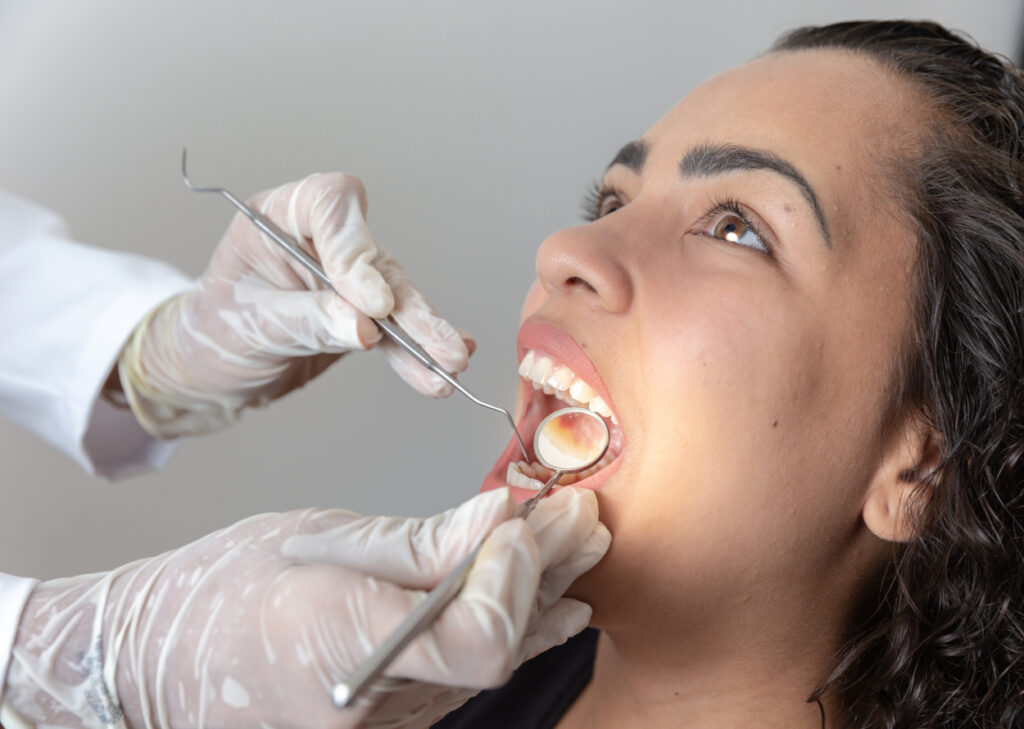
A proper diagnosis is more specific than a quick glance in the mirror. The exam usually includes a visual inspection of the gums, plaque and tartar buildup, and signs of recession or swelling. Dentists or hygienists also measure the space between the teeth and gums with a periodontal probe. Those numbers help identify whether the issue is mild gingivitis or deeper periodontal disease.
In healthy areas, those measurements are generally shallow. Deeper readings can suggest pocket formation. Bleeding on probing adds another clue. Dental X-rays may also be needed to check for bone loss around the teeth, especially if there is recession, mobility, or a long history of inflammation.
This part matters because treatment should match the disease stage. A simple polishing for stain removal is not the same thing as therapy for active periodontitis. Patients are sometimes frustrated when they hear they need more than a routine cleaning, but that distinction is based on what is happening under the gums, not on upselling. If there are deeper deposits and inflamed periodontal pockets, routine cleaning alone will not resolve the problem.
The first step in gum disease treatment
For mild gingivitis, the first step is usually a professional dental cleaning combined with targeted home care. During the visit, plaque and tartar are removed from above and slightly below the gumline. The teeth are polished to help reduce retention of new plaque. If the inflammation is early and there is no attachment loss, this can make a dramatic difference.
Patients often notice less bleeding within a week if they clean consistently at home. The gums may feel less tight, less sore, and less puffy. That response is a good sign, but it does not mean the issue was trivial. It means the tissue still had a strong capacity to heal.
For moderate to advanced disease, deeper therapy is often necessary. This is where the phrase gum disease treatment usually refers to scaling and root planing, also called deep cleaning. Despite the casual name, it is a focused periodontal procedure, not just an extra-thorough polish.
What scaling and root planing actually does
Scaling removes plaque, tartar, and bacterial toxins from below the gumline. Root planing smooths the root surfaces so the gums can reattach more effectively and bacteria have fewer places to cling. Depending on the extent of the disease, treatment may be done in sections with local anesthetic to keep the patient comfortable.
When it is performed well, scaling and root planing can reduce pocket depth, lower bleeding, and calm the inflammatory response. It is not magic, and it does not regrow all lost tissue, but it can stop progression and create a healthier environment that is far easier to maintain.
The first few days afterward vary from person to person. Some patients feel almost normal that evening. Others notice tenderness, sensitivity to cold, or mild soreness when chewing. These effects are usually temporary. What matters more is the follow-up. The gums need time to respond, and the patient’s daily cleaning routine becomes critical.
A few practical points help set realistic expectations:
- Deep cleaning treats infection and inflammation, but it does not erase past bone loss
- Recession may become more noticeable once swelling goes down
- Sensitive root surfaces can flare temporarily after treatment
- Smoking and uncontrolled diabetes make healing slower and less predictable
- Long-term success depends heavily on maintenance visits and daily home care
That last point is where many treatments succeed or fail. Dentistry can remove deposits and reduce bacterial load, but it cannot brush and floss for the patient twice a day for the next ten years.
When antibiotics or antimicrobial rinses are used
Not every case needs medication. In fact, overusing antibiotics for gum problems is poor practice. Most routine cases respond best to mechanical cleaning, meaning professional debridement plus excellent home care. Still, there are times when localized antibiotics, prescription antimicrobial rinses, or systemic antibiotics may be appropriate.
For example, stubborn periodontal pockets, specific aggressive bacterial patterns, acute gum infections, or patients with certain medical risk factors may benefit from adjunctive therapy. Chlorhexidine rinse is one commonly prescribed option, though it has trade-offs. It can help reduce bacteria, but prolonged use may stain teeth and alter taste temporarily. That is why it is usually recommended for a limited period, not as a permanent replacement for brushing and flossing.
Antibiotics work best as support, not as a standalone fix. If tartar and biofilm remain under the gums, medication alone is unlikely to solve the problem.
Surgical treatment for advanced disease
When non-surgical gum disease treatment does not bring pockets under control, a periodontist may recommend surgery. This is generally reserved for more advanced cases, especially where deep pockets persist, access is limited, or bone defects are present.
One common approach is flap surgery, in which the gums are gently lifted so the roots and underlying deposits can be cleaned more thoroughly. In some cases, regenerative materials such as bone grafts or membrane techniques are used to support healing in areas where bone has been lost. Gum grafting may also be recommended when recession leaves roots exposed and vulnerable.
Patients often hear the word surgery and imagine a major ordeal. Periodontal procedures are more controlled and routine than many expect, though recovery still requires care. The real goal is not cosmetic perfection. It is to reduce infection, preserve support for the teeth, and make the mouth maintainable over time.
What you can do at home without making it worse
The right home routine can calm inflamed gums. The wrong one can keep the cycle going, even in someone who thinks they are being diligent. One of the most common mistakes is brushing harder because the gums feel unclean. Inflamed tissue needs thorough cleaning, but it also needs gentleness.
Use a soft-bristled toothbrush or a quality electric brush with light pressure. Angle the bristles toward the gumline rather than scrubbing sideways across the teeth. Floss once a day, even if there is some bleeding at first. If floss is too difficult because of tight contacts, bridges, or dexterity issues, alternatives like interdental brushes or water flossers can help, but they should be matched to the situation.
Warm salt water can soothe sore tissue, but it is supportive care, not real gum disease treatment. The same goes for over-the-counter mouthwashes that create a temporary fresh sensation without addressing plaque effectively. Patients often spend months rotating through rinses while the underlying tartar remains untouched.
Diet and habits matter more than people think. Frequent snacking, sugary beverages, smoking, vaping, and chronic dry mouth all shift the environment in favor of harmful bacteria. If someone has diabetes, gum inflammation often improves more reliably when blood sugar control improves. The relationship goes both ways. Inflamed gums can also make diabetes harder to manage.
Why bleeding often gets worse before it gets better
This is a point worth emphasizing because it changes behavior. When people see blood while flossing, they commonly stop flossing. Unfortunately, that usually allows more plaque to accumulate, which leads to more inflammation and more bleeding.
In mild cases, once plaque is removed thoroughly and consistently, the bleeding often lessens within several days. In deeper disease, improvement takes longer and may require professional treatment first. The key is to distinguish gentle, therapeutic cleaning from trauma. Snapping floss hard into the gums is traumatic. Sliding it carefully along the tooth surface is therapeutic. Technique matters.
I have seen patients who thought they had “sensitive gums” for years when what they really had was chronic low-grade gingivitis. After a cleaning and two weeks of proper home care, their tissue looked entirely different. I have also seen the opposite, patients who assumed a routine cleaning would solve everything, only to learn that years of untreated inflammation had already caused bone loss. Both situations begin with similar symptoms. That is why diagnosis matters.
How long recovery takes
The timeline depends on the starting point. For uncomplicated gingivitis, visible improvement can happen quickly. Swelling may start to decrease within a few days, and bleeding often improves within one to two weeks if brushing and flossing are consistent.
After scaling and root planing, tenderness typically settles over several days, while gum healing continues over a few weeks. A periodontal reevaluation is often scheduled around four to six weeks Gum Disease Treatment later to see whether pocket depths and bleeding have improved. In successful cases, pockets shrink and tissues tighten. In persistent cases, some areas may still need additional treatment or specialist care.
Advanced periodontitis is not a one-visit problem. It is a condition that requires control and maintenance. Patients sometimes hope for a permanent fix in the same way a cavity can be filled and forgotten. Periodontal disease behaves differently. Once the support around a tooth has been compromised, maintenance becomes part of the long-term plan.
The role of periodontal maintenance
After active treatment, many patients shift from routine six-month cleanings to periodontal maintenance at shorter intervals, often every three or four months. That schedule is not arbitrary. Harmful bacterial populations can repopulate periodontal pockets relatively quickly, especially in susceptible patients.
At these visits, the clinician checks for bleeding, pocket depth changes, plaque retention, recession, mobility, and new calculus deposits. This is also where home care gets fine-tuned. A patient with crowded lower front teeth may need a different cleaning tool than someone with implants, bridges, or significant recession. Small adjustments often make a large difference.
One practical truth that experienced clinicians see repeatedly is that maintenance protects prior treatment. Patients who disappear for a year or two after deep cleaning often return with the same sites reactivated, sometimes worse than before. Patients who keep regular maintenance appointments usually have more stable gums, fewer emergencies, and a better chance of keeping their natural teeth.
Special situations that need extra attention
Pregnancy can make gums more reactive because of hormonal changes, even in patients who usually have good oral hygiene. Bleeding and puffiness are common, but they still deserve attention. Gentle, thorough cleaning and professional monitoring are important during this time.
Smokers often present differently. Their gums may bleed less than expected because nicotine constricts blood vessels, but that does not mean the tissue is healthy. In fact, smoking is one of the strongest risk factors for severe periodontal disease and poor healing after treatment.
Older adults with dry mouth from medications can struggle with plaque control because saliva normally helps buffer bacteria. People with arthritis may have trouble flossing effectively unless tools are adapted to their grip. Patients with braces, retainers, or fixed bridges also need more tailored cleaning methods because retention points multiply quickly.
These details matter because gum disease treatment works best when it is individualized. A generic recommendation can miss the actual obstacle.
When to seek urgent care
Most gum disease develops gradually, but some situations need prompt attention. A painful swelling, pus drainage, fever, sudden tooth looseness, or a bad taste that appears rapidly can signal an acute periodontal abscess or another dental infection. That should not wait for the next routine cleaning.
Likewise, if your gums are dramatically swollen, ulcerated, or painful enough to interfere with eating, it may not be routine plaque-induced inflammation at all. Viral lesions, medication reactions, autoimmune conditions, and severe nutritional deficiencies can affect gum tissue in ways that need medical as well as dental evaluation.
What successful treatment looks like
Successful gum disease treatment is not always dramatic to the eye. Often it looks like pinker, firmer tissue. Less bleeding. Shallower pockets. Breath that stays fresher. Teeth that feel cleaner at the end of the day. No soreness during flossing. Stability on X-rays over time.
That quiet stability is the goal. Once the infection is controlled, the focus shifts from rescue to preservation. The best outcomes usually come from three things working together: accurate diagnosis, appropriate professional treatment, and consistent home care that the patient can realistically maintain.
Red, tender, inflamed gums are not just a cosmetic annoyance. They are a warning sign from living tissue that is under stress. Catch the problem early, and treatment is often straightforward. Wait too long, and the same symptoms can become part of a much more complicated periodontal picture. If your gums bleed often, feel swollen, or seem to be changing shape around your teeth, that is reason enough to get them evaluated. Early attention can save discomfort, time, money, and, in many cases, the teeth themselves.
Avra Dental
Address: 1708 S Victoria Ave B, Ventura, CA 93003
Phone number: +18057653206
FAQ About Gum Disease Treatment
Can I make my gums healthy again?
Yes, you can make early-stage gum disease completely healthy again, but advanced damage requires professional care to manage.
Can you cure gum disease?
You can cure early-stage gum disease, but advanced gum disease cannot be fully cured.
Can I live a normal life with gum disease?
Yes, you can live a normal life with gum disease, but it requires active, lifelong management to control the condition and prevent serious complications